From NZD $119
- 75 minutes (approx.)
- Free Cancellation
- Instant Confirmation
Best Time to Visit Lake Tekapo


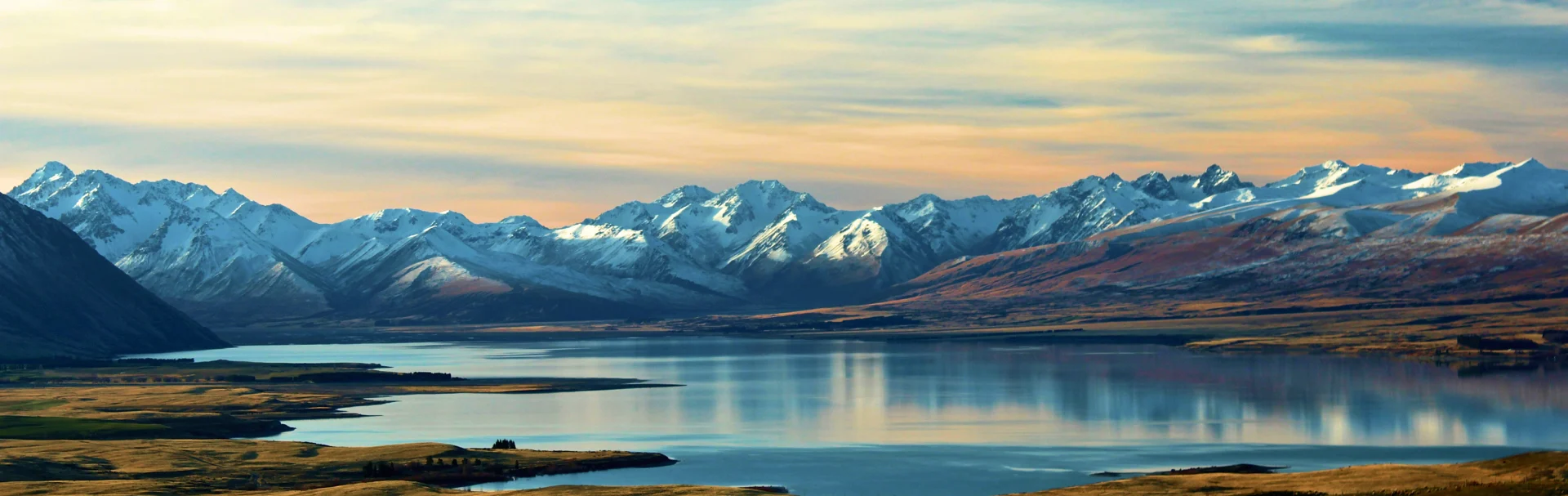
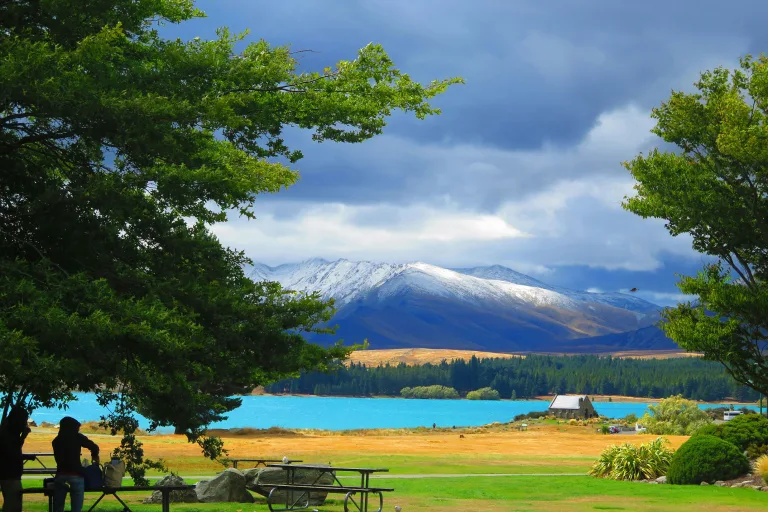
The lake's striking turquoise colour comes from fine glacial rock flour, sediment ground down by glaciers upstream and carried into the lake in suspension. This fine particulate scatter sunlight in a way that produces the milky blue colour year-round, with the Southern Alps and the Two Thumb Range forming the backdrop. It's a genuine geological effect rather than an edited photo, and it's most striking when viewed from the lake edge in morning light, when the Two Thumb Range reflects across the still water.
A short checklist covers most of what catches first-time visitors off guard when planning things to do in Lake Tekapo.
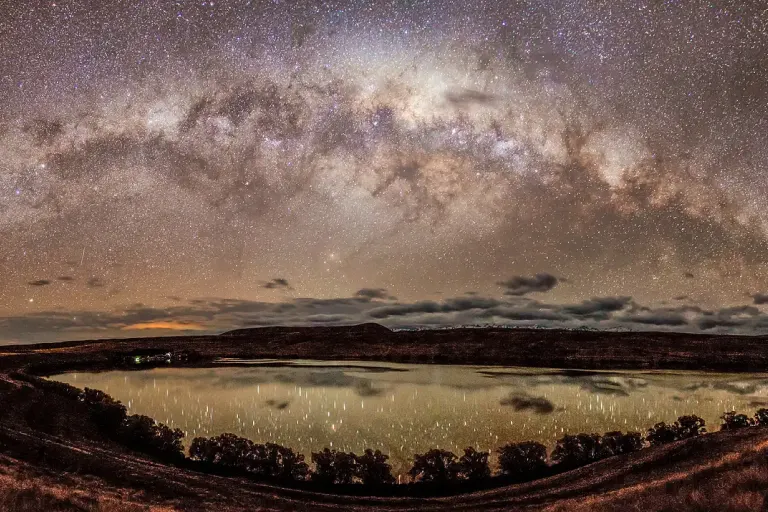
Lake Tekapo is a turquoise glacial lake and alpine village in the heart of New Zealand's South Island, sitting in the Mackenzie Basin along the classic route between Christchurch and Queenstown.
It's known for two things above all else, a lake so vividly blue it looks colour-corrected even in photos, and some of the clearest, darkest night skies in the Southern Hemisphere. The village itself is small, home to just a few hundred people, but it draws visitors from across the world for its scenery, stargazing, and easy access to the wider Mackenzie Country.
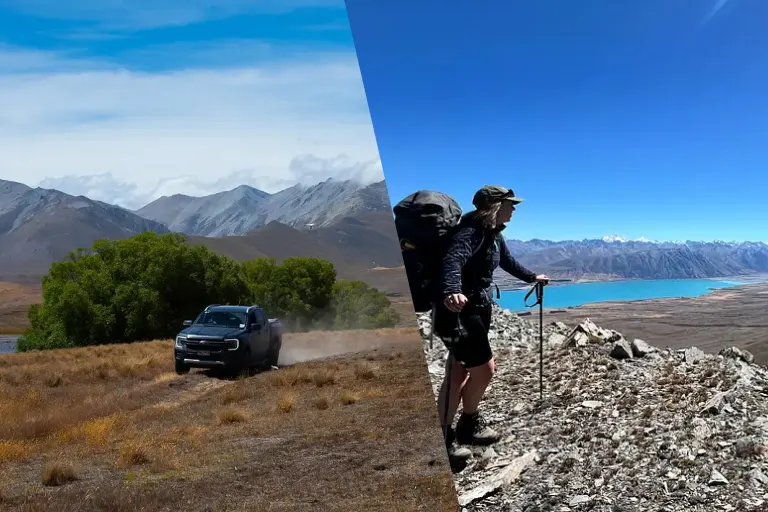
There are multiple ways to experience Lake Tekapo depending on your travel style.
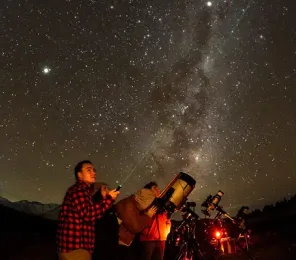
Lake Tekapo is located within the 'Aoraki Mackenzie International Dark Sky Reserve', one of the world's largest International Dark Sky Reserves.
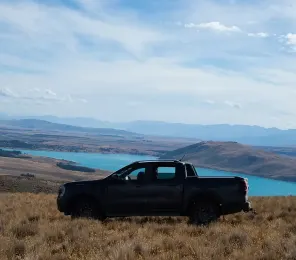
This thrilling 4WD adventure around Lake Tekapo takes in Mt Hay Station, a century-old 25,000-acre family farm, navigates challenging 4WD tracks, and offers stunning High Country views.
This tour is an incredible way to see and learn about farming in the Mackenzie High Country of New Zealand.
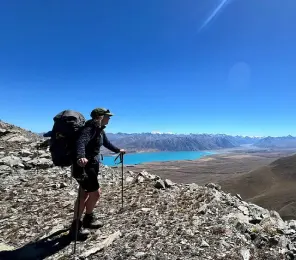
Explore the beauty of Mt Hay with Hike Tekapo's guided experience. Discover the Southern Alps' breathtaking vistas, turquoise lakes, and alpine meadows.
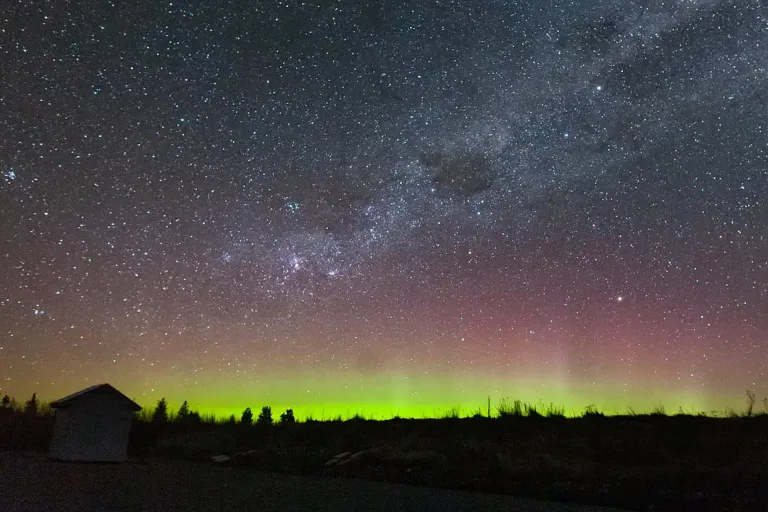
Stargazing tour timings shift with the seasons to make the most of darkness.
Most guided stargazing experiences run 60 to 90 minutes, with start times set seasonally so the sky is properly dark. Church of the Good Shepherd: open to visitors during daylight hours, with quieter periods early morning or late afternoon
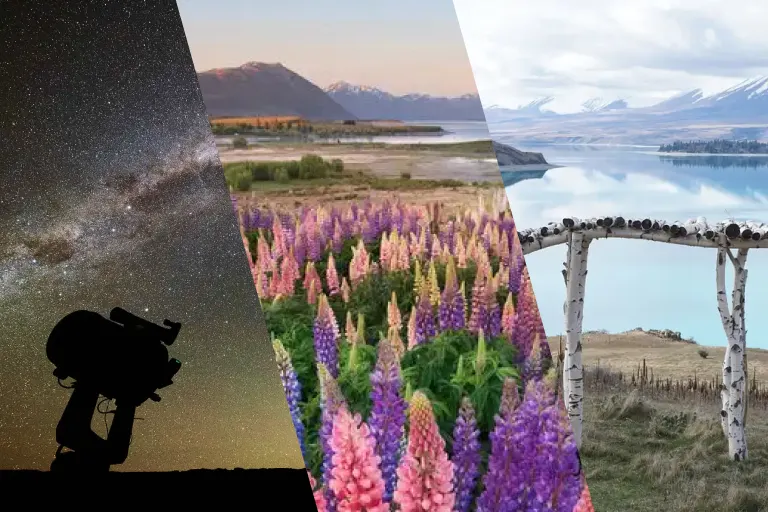
There's no single best season, it depends on what you're after. For stargazing specifically, May to September offers the longest, darkest nights and the clearest air, while summer twilight can linger until around 10pm, shortening the dark sky window. For lupin fields, late spring into early summer (roughly November to December) is when the flowers are in bloom along the lakeshore. For milder daytime weather and fewer crowds, spring and autumn tend to sit in a comfortable middle ground between summer's heat and winter's cold.
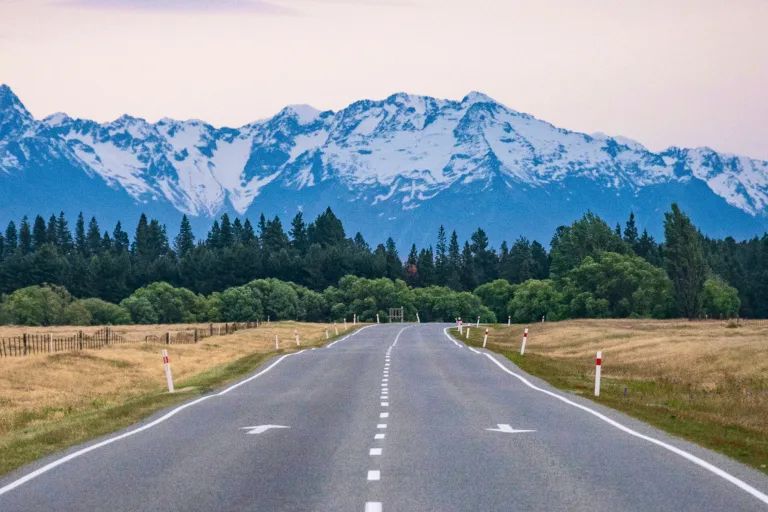
Lake Wakatipu is easily accessible from Queenstown.
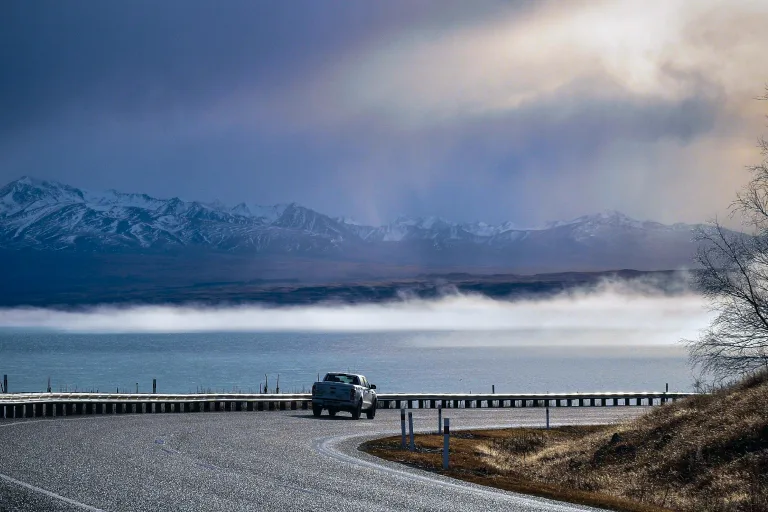
Most visitors reach Lake Tekapo by rental car, but transfer options exist for those without one.
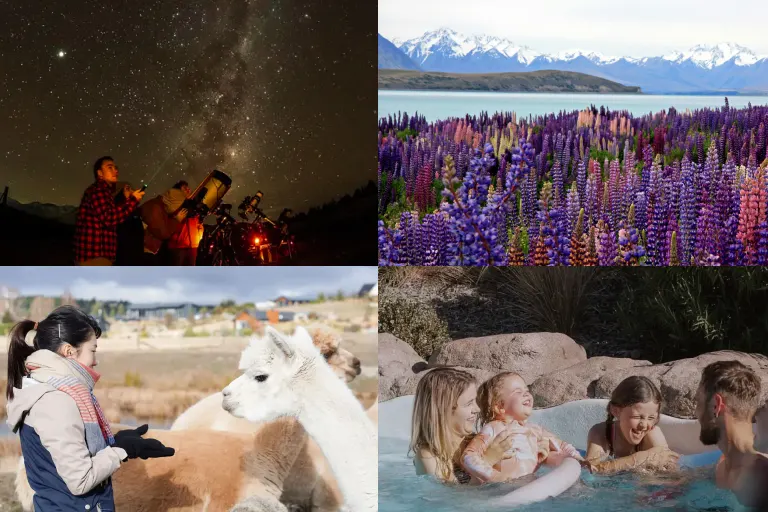
A hot pool complex overlooking the lake, with pools at varying temperatures, plus ice skating and snow tubing in winter and a water slide in summer
Gentle tracks along the shore, with steeper options up the surrounding hills for wider panoramic views
Guided rides through the high country with views over the snowy peaks, offered by local operators just a short drive from the village
The region has flat and scenic routes suited to casual riders, with bike hire available in the village
Nearby ski areas including Roundhill and Mount Dobson are accessible in winter
From late spring into early summer, the shores around Lake Tekapo fill with wild lupins in shades of purple, pink, and blue, creating one of the region's most photographed seasonal scenes. It's worth knowing that lupins are classified as an invasive species in New Zealand, so while photographing them is fine, spreading their seeds elsewhere isn't encouraged.
Aoraki/Mount Cook National Park sits just over an hour from Lake Tekapo, making it an easy addition to a Tekapo stay rather than a separate trip. The drive follows the shore of Lake Pukaki, another striking turquoise lake often considered even less crowded than Tekapo itself, before reaching the base of New Zealand's highest peak. The Hooker Valley Track, a popular half day hike with views of glacial lakes and the mountain itself, is one of the main activities in the park.
The Mackenzie Basin has a semi-alpine climate. Summers sit in the low 20s Celsius, while winter mornings are often below freezing. Regardless of season, evenings stay cold enough that layered, windproof clothing is worth packing if you're planning to stay out after dark.
This small stone church on the lake's edge is one of the most photographed buildings in New Zealand.
Arrive early morning or late afternoon to avoid the tour bus crowds, since a queue for photos can form at the front of the church through the middle of the day in summer.
Lake Tekapo sits within the Aoraki Mackenzie International Dark Sky Reserve, one of the world's largest International Dark Sky Reserves. Residents began working to reduce light pollution back in 1981, fitting non-glare streetlights and restricting how late illuminated signage can stay on, which is part of why the skies here have stayed so clear.
Accommodation in Lake Tekapo ranges from budget hostels to four- and five-star resorts, with most options within easy walking distance of the lakefront and village centre.
Booking ahead is worth doing during peak summer and school holiday periods, when the village's limited number of rooms fills up quickly.
Despite its small size, Lake Tekapo has a reasonable spread of dining options within walking distance of most accommodation.
Most guides suggest one to two nights is the right amount of time. One night covers the essentials, an evening of stargazing and a morning visit to the church, while two nights leaves room to add a hike on Mount John, a soak at the hot pools, or a day trip out to Mount Cook without rushing. Since outdoor stargazing depends entirely on clear weather, staying two nights also gives you a backup chance if clouds roll in on the first.
Lake Tekapo packs a surprising amount into a small village. By day it's the colour of the water and the setting of the church that draw people in, and by night it becomes one of the more remarkable places to see the stars, thanks to its position within a designated dark sky reserve. Whether you're stopping for a couple of hours on a longer South Island Road trip or building your itinerary specifically around it, Lake Tekapo rewards anyone willing to stay past sunset and look up.