Aoraki Mount Cook is a place you can enjoy without spending the day on a challenging trail. There are so many things to do in Aoraki Mount Cook for travellers who prefer shorter walks, scenic viewpoints, glacier experiences and time under some of New Zealand’s clearest night skies. Whether you have a few hours or a full day, you can experience the landscapes without taking on a serious hike. Whether you’re travelling with family, have limited time, or simply prefer relaxed activities, this guide covers some of the best ways to experience the Aoraki Mount Cook region.
Aoraki Mount Cook National Park sits in Canterbury, on the South Island, and is home to New Zealand's tallest mountain at 3,724 metres. Glaciers cover about 40% of the park, and most of its best views are reachable by short walks, viewing platforms, or a scenic drive, no big trek required.
Whether you've got a spare afternoon or a few days up your sleeve, there's plenty to see at a pace that suits you, gorgeous lake views, glacier lookouts, and some of the clearest night skies in the country, all without lacing up a serious pair of boots.
Easy Walks and Short Trails at Aoraki Mount Cook for Moderate-Hikers
Hooker Valley Track: What to Know Before You Go
This is the park's most popular walk, a 10 km return (about 3 to 4 hours) that follows the valley to Hooker Lake. A new 189-metre suspension bridge opened on 28 July 2026, restoring the full Hooker Valley Track after the upper section was closed during construction. It's mostly flat gravel, but still a fair walk if you're after something shorter.
Tasman Glacier View Track: A Short Scenic Walk
A short, steep climb to a lookout over Tasman Lake and its icebergs.
Kea Point Track: Mountain and Glacier Views
Around 3 km return and roughly an hour, ending at a viewing platform facing Mueller Glacier and Aoraki itself. Good pick if Hooker Valley feels too long.
Governors Bush Walk: A Short Forest Trail
A gentle 60-minute loop through native beech forest near the village, keen for a quick leg stretch without leaving town.
Things to Do in Aoraki Mount Cook Without Hiking
See the Tasman Glacier
New Zealand's longest glacier can be viewed from lookouts or on a boat trip across Tasman Lake, weaving between icebergs, no walking gear needed. The glacier stretches for kilometres and its terminal lake is dotted with floating ice, giving a genuine sense of scale even from a short viewpoint. Boat trips get you close enough to hear the ice creak, which is something photos alone never quite capture.
Visit the Sir Edmund Hillary Alpine Centre
Located in the village, this centre covers Hillary's story and alpine history through exhibits and a planetarium show, a solid rainy-day option. Displays trace Hillary's climbing career alongside the wider history of alpine exploration in the region, with plenty of photographs and artefacts to work through at your own pace. The planetarium runs several shows a day, and there's a cafe on site if you want to make a longer stop of it.
Go Stargazing in the Aoraki Mackenzie Dark Sky Reserve
The park sits within an International Dark Sky Reserve, the largest dark sky reserve in the Southern Hemisphere, making it a top spot for stargazing tours, with heaps of stars visible even to the naked eye. Guided tours usually include a telescope session along with commentary on constellations, planets, and Māori star navigation traditions, giving the night sky some proper context rather than just staring up blindly. Clear winter nights tend to offer the sharpest views, though the reserve delivers impressive skies most of the year.
Take a Scenic Flight Over Aoraki Mount Cook
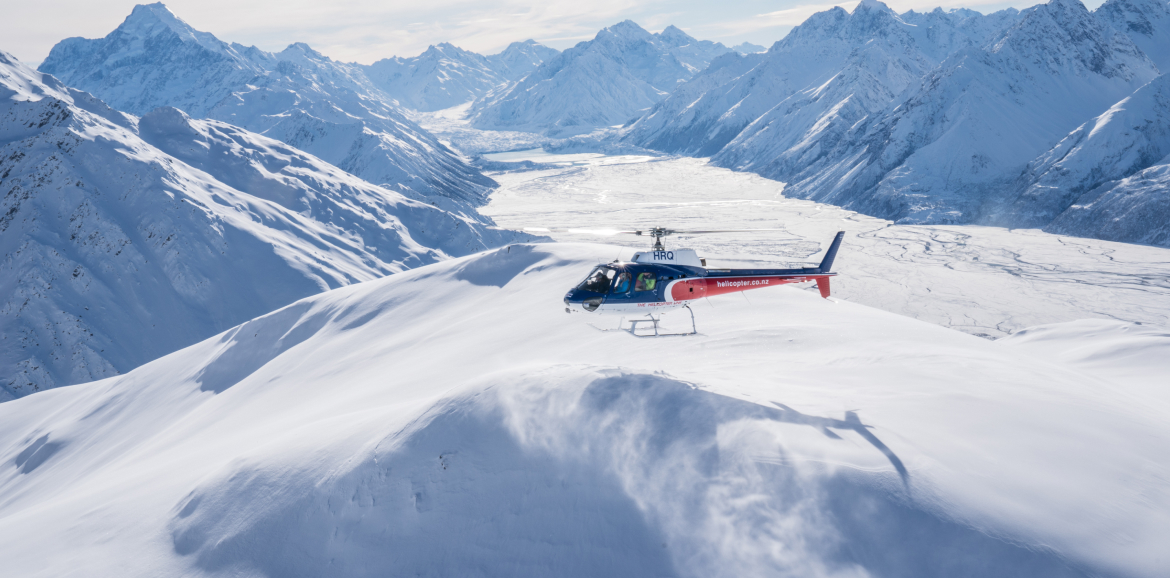
Ski planes and helicopters fly over the peaks and glaciers, some landing on snow. A good way to see the mountain up close without hiking a step. Flights typically loop over the Tasman Glacier and the main divide before some options land on a snowfield for a few minutes, giving passengers a rare chance to stand among the peaks. Scenic flights are generally one of the more expensive ways to experience the region, but they offer a way to see the glaciers, peaks and surrounding alpine landscape without a long hike.
Enjoy Aoraki Mount Cook Views from the Village
Mount Cook Village itself has front row views of the mountain, with cafes and lodges positioned for the scenery, no walk required at all. Several cafes and the Hermitage Hotel are positioned to make the most of the outlook, so you can enjoy the scenery over breakfast or a coffee without any extra effort. Even a short stroll along the village paths offers changing angles of the mountain throughout the day.
Take a Glacier or Scenic Boat Experience
Guided boat trips on Tasman Lake or Lake Pukaki get you close to glacial ice and turquoise water from the comfort of a boat. Operators run guided trips with commentary on the glacier's history and how quickly it has changed over recent decades, which adds useful context to what you're seeing. Both Tasman Lake and Lake Pukaki trips run multiple times daily, making them easy to slot into a single afternoon.
Stop at Lake Pukaki on the Way to Mount Cook
This turquoise, glacier-fed lake sits just off State Highway 8 and is one of the best photo stops in the region, easily worth a break on the drive in. The lake's striking colour comes from fine glacial rock flour suspended in the water, which is worth mentioning if anyone in the car asks why it looks almost artificial. There's a large car park and visitor centre right at the lookout, making it an easy, no-effort stop on the way in or out.
Things to Do with Family
Best Easy Walks for Families
Kea Point and Governors Bush are relatively short options, but both involve some climbing. Governors Bush includes steps and a gradual climb, so it may not suit every young child or stroller.
Family-Friendly Activities
The Alpine Centre's planetarium and exhibits work well for all ages, especially on a cold or wet arvo. Interactive displays on mountaineering history keep older kids engaged, while the planetarium shows are short enough to hold younger attention spans. It's an easy way to fill an hour or two without needing to brave the elements outside.
Stargazing with Kids
Family-friendly stargazing tours are earlier in the evening and are more straightforward, emphasizing stories over technical astronomy. Guides will generally set up telescopes for easy viewing so kids can look through them without needing to understand the science straight away. Warm drinks and blankets are usually provided, which helps keep younger ones comfortable through the cooler evening air.
Glacier Experiences for Families
Boat trips on Tasman Lake are a low risk, easy way for families to get close to glacial ice. The lake basin is slow moving and the water is quiet. It is an easy choice even for people who are not water lovers. Life jackets are provided, and guides are used to explaining the glacier in simple terms for younger passengers.
Where Families Can Relax and Take Breaks
The Hermitage Hotel and village cafes offer easy spots to grab a cuppa and warm up between activities. Most have views straight onto the mountain, so even a coffee break doubles as sightseeing. Booking a table ahead is worth it in peak season, especially if you're travelling with a group that needs a proper sit-down meal.
How to Get to Aoraki Mount Cook Without Hiking
Driving from Christchurch
It's about 330 km and roughly 4.5-5 hours via State Highway 8, passing Lake Tekapo and Lake Pukaki along the way.
Driving from Queenstown
Around 263 km via SH6 and SH8, taking about 4 to 5 hours, with fuel stops at Cromwell, Omarama, or Twizel.
Taking a Guided Tour
Day tours run from both Christchurch and Queenstown, handling the driving so you can just enjoy the views.
Getting Around Mount Cook Village
Aoraki/Mount Cook Village is very small, with the visitor centre, accommodation, and limited dining options located within the village area. Some activities and trailheads, however, require driving.
How Many Days Do You Need in Aoraki Mount Cook?
One Day in Aoraki Mount Cook
One day is enough to get a real feel for the park without rushing. Start with Kea Point or the Tasman Glacier View Track in the morning, both short and rewarding. Stop into the Sir Edmund Hillary Alpine Centre after, then spend the afternoon exploring the village and grabbing a coffee at the Hermitage with the mountain right in front of you.
Two Days in Aoraki Mount Cook
A second day opens things up considerably. Add a scenic flight or glacier boat trip on Tasman Lake, and save the evening for a stargazing tour. The dark skies here are extraordinary and worth planning a night around.
Three Days or More in Aoraki Mount Cook
Three days lets you move at a relaxed pace and fit everything in without feeling rushed. Walk the Hooker Valley Track on one day, take a scenic flight or boat trip on another, and spend your evenings stargazing. If the weather turns bad on one day, you can move things around and not lose anything.
Best Time to Visit Aoraki Mount Cook
Summer: December to February
Long daylight hours & most reliable weather, but also the busiest season. Expect full car parks at popular trailheads and lookouts, so an early start pays off. It's a solid pick for scenic flights and boat trips too, since clear skies make for the best visibility over the glaciers and peaks.
Autumn: March to May
Quieter, with crisp air and good visibility, Crowds thin out noticeably once the school holidays end, making it easier to snag a table at village cafes or a spot on a boat trip without booking weeks ahead. The golden light this time of year suits sunrise and sunset photography especially well.
Winter: June to August
Snow-capped peaks and clearer night skies for stargazing, though some roads and activities may be weather-dependent. Some walking tracks may need extra care underfoot, and a few operators run reduced schedules, so it pays to check ahead. On the flip side, this is often the season for dramatic mountain photography and a genuinely quiet alpine experience.
Spring: September to November
Melting snow feeds the waterfalls and rivers, with changeable but often dramatic weather. Wildflowers start appearing along the lower valleys, and the increased water flow makes for particularly striking waterfall and river views. Pack layers, though, as conditions can swing from sunshine to wind and rain within the same afternoon.
Essential Tips for Visiting Aoraki Mount Cook Without Hiking
• Check the weather before you leave. Conditions change fast in alpine areas, so check Met Service before heading in.
• Check road and track conditions. NZTA Waka Kotahi covers road status, while DOC covers any track closures.
• Dress for changing alpine conditions. Layers are essential, even short walks can turn chilly fast.
• Book popular activities in advance. Scenic flights and boat trips fill up quickly in peak season.
• Allow extra time for scenic stops. Lake Pukaki and Lake Tekapo are both worth a proper stop, not just a drive-by.
• Plan for limited services. There's no supermarket in the village, so come prepared with supplies.
Conclusion
You don't need a long hike to experience Aoraki/Mount Cook. Short walks, glacier experiences, scenic flights, village viewpoints and stargazing give non-hikers plenty of ways to experience the region. Check weather and track conditions before you go, and book popular activities ahead during busy periods.